
Posts
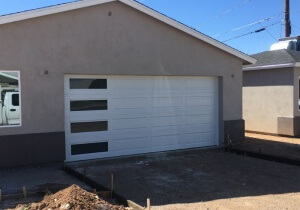
A garage door torsion spring stores energy as it twists, then releases that energy to lift most of the door’s weight. The opener motor only has to guide the door and control its speed, instead of hauling the full load alone. A properly tensioned garage door spring lowers the motor’s power draw, reduces heat and…
Read More
Arizona’s extreme heat, monsoon humidity, and sharp day-to-night temperature swings put constant stress on garage doors. Metal panels and springs expand in the heat, wood and hardware absorb moisture during monsoon storms, and UV exposure breaks down seals over time. These forces are a major reason garage door repair needs to climb through summer and…
Read More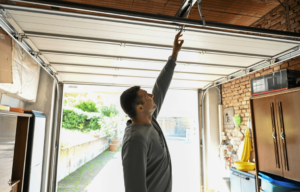
When a garage door spring breaks, the door instantly loses its counterbalance and becomes too heavy to lift by hand or by the opener. You’ll usually hear a loud bang, and the door may drop partway or jam in place. Cables can slip off the drum once tension releases unevenly, and the opener should not…
Read More
Yes, balance problems call for a trained technician, since fixing them means adjusting or replacing springs that are under high tension. Homeowners can safely test balance by hand by disconnecting the opener and lifting the door halfway to see if it holds, drifts, or shoots up, but correcting whatever that test reveals takes calibrated tools,…
Read More
Yes. The garage door spring, not the opener, carries most of your door’s weight, lifting 90 to 95 percent of the load, so the opener only guides motion and runs its safety sensors. When a spring weakens, the opener absorbs the extra strain and wears out faster. Industry standards require the spring assembly to meet…
Read More
A garage door is out of balance if it won’t hold still when opened halfway, feels heavy to lift by hand, or makes your opener strain and grind. Disconnect the opener, raise the door about halfway, and let go. A balanced door stays put. If it drifts down or shoots up, the spring system has…
Read More
No. A garage door with a broken spring should not be operated. The spring counterbalances a door that typically weighs 130 to 350 pounds. Without it, that weight transfers directly to the opener motor and cables, both of which can fail mid-cycle. Stop using the door immediately. At F&J’s 24 Hour Garage Door Service, we…
Read More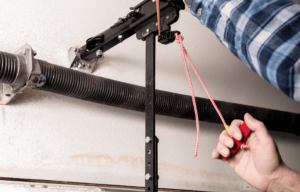
Replacing a garage door spring yourself is possible, but it carries serious safety risks. Garage door torsion springs are under extreme tension, enough to cause severe injury or death if they snap or release suddenly. At F&J’s 24 Hour Garage Door Service, we provide garage door spring repair and replacement in Phoenix around the clock,…
Read More
Repair a storm-damaged garage door as soon as possible, ideally within 24 hours of the storm passing. Structural and mechanical damage that goes unaddressed puts your home’s security at risk, drives up repair costs, and can cause secondary failures across the whole door system. For urgent issues, contact garage door repair experts right away rather…
Read More
After a storm, check your garage door for visible dents, bent or misaligned tracks, broken springs or cables, and damaged weather seals. Test whether the door opens and closes smoothly without grinding or sticking. If anything looks off or feels wrong, stop using the door and call garage door repair experts before the damage gets…
Read More